


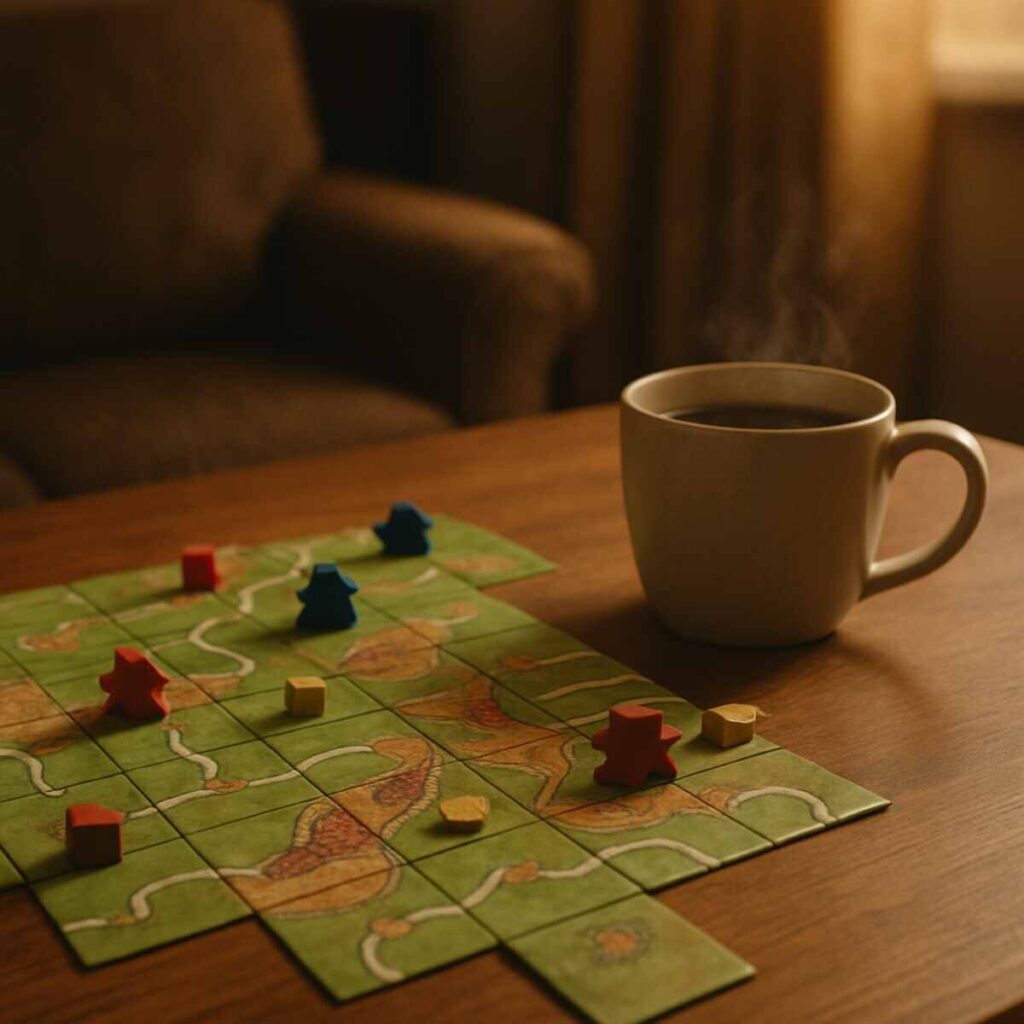
Single-player board games offer a special mix of solitude and challenge. These games are ideal for moments when you need to disconnect from the world and immerse yourself in a different universe. Unlike multiplayer games, you don’t have to coordinate schedules or compromise on game choices. It’s all about what you want, whenever you want it. To know more, check out RADEN99
The Appeal of Solitude
Single-player games provide a much-needed escape from daily interactions. In a world that’s constantly buzzing with notifications and social demands, these games offer a rare chance to enjoy your own company. They provide a peaceful environment where you can recharge without external pressures, allowing you to focus solely on the game and your thoughts.
Self-Paced Exploration
One of the most significant advantages of solo board games is the ability to play at your own pace. Whether you prefer to take your time strategizing or want to speed through challenges, you have complete control. This flexibility allows you to enjoy the game without the pressure of keeping up with others, making for a more personalized and fulfilling experience.
Tailored Challenges
Single-player games often offer customizable difficulty levels, enabling you to adjust the challenge to suit your mood and skill level. Whether you seek a relaxing experience or a rigorous mental workout, you can tailor the game to meet your needs. This adaptability ensures that the games remain engaging, no matter how many times you play.
Benefits of Playing Solo
- Flexibility: Single-player games allow you to play at your own pace, without the need to wait for others. This flexibility is perfect for those with busy schedules or unpredictable availability, as it allows for spontaneous gaming sessions whenever you find a free moment.
- Focus: These games help hone your problem-solving skills and strategic thinking. By engaging with complex challenges and puzzles, you can enhance your cognitive abilities and develop a sharper mind, which can be beneficial in both personal and professional settings.
- Relaxation: Enjoy the soothing experience of unwinding without the competitive pressure often found in multiplayer games. The absence of opponents means you can focus on the enjoyment of the game itself, leading to a more calming and stress-free experience.
- Inspiration: Single-player games stimulate creativity, making them perfect for writers and marketers seeking new ideas. The imaginative scenarios and storytelling elements found in many games can spark inspiration and lead to fresh, creative thinking.
Best Single Player Board Games
1. Friday
Why You’ll Love It: In “Friday”, you step into the role of Robinson Crusoe’s trusted companion, helping him survive on a deserted island. The game is a deck-building adventure where you must optimize your cards to overcome various challenges. It’s ideal for those who enjoy strategic planning and a bit of luck, as every decision can significantly impact your chances of survival.
- Immersive Storytelling: The game beautifully captures the essence of survival, drawing you into its narrative and making you feel like a part of Crusoe’s world. The storyline evolves with each card drawn, keeping you engaged and invested in the outcome.
- Strategic Depth: “Friday” requires you to think several steps ahead, considering the long-term implications of your card choices. This strategic element makes the game both challenging and rewarding, as you work to outsmart the island’s many obstacles.
- Replayability: With different scenarios and outcomes, “Friday” offers high replay value. Each game unfolds differently, ensuring that you’ll never have the same experience twice, keeping the game fresh and exciting.
2. Onirim


Why You’ll Love It: “Onirim” is a card game that transports you into a labyrinthine dream world. Your mission is to find the door cards before your deck runs out, creating a sense of urgency and excitement. This game is ideal for aspiring novelists, as it immerses you in a narrative-rich environment, sparking your imagination.
- Artistic Design: The game features beautifully illustrated cards that enhance the dreamlike atmosphere, making each playthrough a visually captivating experience. The artwork complements the game’s theme, drawing you deeper into its surreal world.
- Narrative Engagement: “Onirim” encourages you to create your own stories as you navigate the dreamscape, offering a unique blend of gameplay and storytelling. This narrative aspect can inspire your own writing projects, providing a wellspring of ideas and creativity.
- Puzzle Solving: The game challenges you to think strategically as you work to unlock the doors. This puzzle-solving element sharpens your analytical skills, making “Onirim” both a mentally stimulating and enjoyable experience.
3. Hostage Negotiator
Why You’ll Love It: Step into the shoes of a skilled negotiator trying to save hostages from a dangerous captor. With each decision, the stakes get higher, testing your strategic abilities. The game’s tension-filled narrative is perfect for content marketers looking for engaging storytelling ideas.
- High-Stakes Drama: “Hostage Negotiator” offers a thrilling experience where every choice matters. The tension builds with each card drawn, providing an adrenaline rush that keeps you on the edge of your seat.
- Decision-Making Skills: The game demands quick thinking and strategic planning, as you weigh the risks and rewards of each move. This decision-making process can enhance your ability to think critically and make informed choices under pressure.
- Storytelling Potential: The game’s narrative structure and intense scenarios offer rich material for content marketers seeking to craft compelling stories. By analyzing the game’s storytelling techniques, you can gain insights into creating captivating narratives for your audience.
4. Sprawlopolis
Why You’ll Love It: “Sprawlopolis” is a compact yet complex game where you build a city with a limited number of cards. It’s a puzzle lover’s dream, requiring planning and adaptability. Graduate students will appreciate the game’s demand for logical thinking and strategic foresight.
- Compact Complexity: Despite its small size, “Sprawlopolis” offers a deep and engaging gameplay experience. The game’s intricate challenges require you to think critically and adapt to changing circumstances, making it a perfect fit for those who enjoy mental puzzles.
- Urban Planning Skills: The game encourages you to think like a city planner, considering the impact of each card on your growing metropolis. This focus on strategic development can translate to real-world skills, such as project management and strategic planning.
- Collaborative Potential: While primarily a solo game, “Sprawlopolis” can also be played cooperatively, offering opportunities for teamwork and collaboration. This flexibility makes it a versatile choice for both solo and group play.
5. The 7th Continent
Why You’ll Love It: Embark on a grand adventure across a cursed continent in this exploration-heavy game. Every decision affects your journey, making it a deeply engaging experience. Writers will find inspiration in the game’s rich storytelling and branching narratives.
- Expansive World: “The 7th Continent” offers a vast and immersive world to explore, filled with mysteries and challenges. The game’s open-ended nature allows you to chart your own course, providing a sense of freedom and discovery.
- Narrative Richness: The game’s intricate storytelling and branching paths create a dynamic and evolving narrative. Each playthrough can lead to different outcomes, encouraging you to explore new possibilities and storylines.
- Creative Inspiration: The game’s detailed world and compelling story can inspire writers to develop their own narratives and characters. By immersing yourself in the game’s universe, you can gain fresh ideas and perspectives for your writing projects.
How to Get the Most Out of Single Player Board Games
Set the Right Atmosphere
Creating a cozy space with soft lighting and maybe a cup of tea or coffee can enhance your gaming experience. It’s all about making the experience enjoyable and immersive, allowing you to fully engage with the game and your thoughts.
- Comfortable Environment: Arrange a comfortable setting with your favorite chair or couch, ensuring you have a relaxing space to play. This comfort can help you focus on the game and enjoy the experience without distractions.
- Ambient Soundtrack: Consider playing some background music that complements the game’s theme. A well-chosen soundtrack can enhance the atmosphere and make your gaming session feel more immersive and engaging.
- Minimize Distractions: Turn off your phone notifications and let others know you’re taking some time for yourself. By eliminating distractions, you can immerse yourself fully in the game and enjoy the tranquility of solo play.
Embrace the Challenge
Don’t shy away from difficult games, as they offer the best opportunities for growth and satisfaction once you overcome them. Challenging games can test your limits and push you to develop new strategies and skills.
- Growth Mindset: Approach difficult games with a positive attitude, viewing challenges as opportunities for growth and learning. This mindset can help you persevere through tough moments and achieve a sense of accomplishment.
- Strategic Thinking: Use challenging games to hone your strategic thinking and problem-solving abilities. By analyzing complex situations and developing effective strategies, you can enhance your cognitive skills and boost your confidence.
- Enjoy the Journey: Focus on the process of playing and learning, rather than solely on winning. By appreciating the journey, you can find joy and satisfaction in the experience, regardless of the outcome.
Reflect on Your Experience
Take a moment after playing to think about what you learned or how you felt. This reflection can offer insights into your own thought processes and creativity, helping you grow both personally and professionally.
- Self-Assessment: Consider how you approached challenges and what strategies worked best. This self-assessment can provide valuable insights into your strengths and areas for improvement, guiding your future gameplay and personal development.
- Creative Insights: Reflect on any creative ideas or inspirations that emerged during your gaming session. By capturing these insights, you can apply them to your writing, marketing, or academic projects, enhancing your creative output.
- Emotional Connection: Think about how the game made you feel and what emotions it evoked. Understanding your emotional responses can deepen your connection to the game and enhance your overall enjoyment.
Tips for Aspiring Novelists
Single-player board games can be more than just a fun pastime; they can also catalyze your writing. Here’s how:
Character Development
Games like “Hostage Negotiator” can help you think on your feet and develop characters with depth and motivation. The game’s scenarios challenge you to empathize with different characters, enriching your understanding of human behavior.
- Empathy Building: By stepping into the shoes of various characters, you can gain insights into their motivations and emotions. This empathy can enhance your ability to create relatable and complex characters in your writing.
- Dynamic Interactions: The game’s negotiations and decision-making can inspire you to craft dynamic character interactions in your stories. By observing how characters react and adapt, you can develop more engaging dialogue and plotlines.
- Character Arcs: Analyze how characters evolve throughout the game, using these arcs as inspiration for your own narratives. By understanding the elements of compelling character development, you can create more captivating and memorable stories.
Plot Structure
Use games with strong narratives, like “The 7th Continent”, to inspire complex plot lines in your stories. The game’s branching paths and intricate storylines can serve as a blueprint for crafting multifaceted plots.
- Nonlinear Narratives: Explore the game’s nonlinear storytelling to experiment with different narrative structures in your writing. By embracing unconventional plotlines, you can create more innovative and engaging stories.
- Conflict and Resolution: Study how the game introduces and resolves conflicts, applying these techniques to your own plots. By crafting well-paced and satisfying resolutions, you can keep readers invested in your stories.
- World Building: Analyze the game’s world-building elements, using them to enhance the depth and richness of your own story settings. By creating immersive worlds, you can transport readers into captivating and believable environments.
Dialogue Practice
Imagine the dialogue between characters in the game, enhancing your skills in writing engaging conversations. By observing character interactions, you can develop more natural and compelling dialogue for your stories.
- Voice and Tone: Pay attention to the characters’ voices and tones, incorporating these elements into your dialogue writing. By crafting distinct and authentic voices, you can bring your characters to life and make your stories more engaging.
- Subtext and Nuance: Analyze the game’s dialogue for subtext and nuance, using these techniques to add depth to your own conversations. By creating layers of meaning, you can enrich your stories and engage readers on multiple levels.
- Pacing and Rhythm: Observe the pacing and rhythm of the game’s dialogue, applying these principles to your own writing. By balancing dialogue with action and description, you can create more dynamic and engaging scenes.
Tips for Content Marketers
For content marketers, these games can inspire fresh ideas and new approaches to content creation:
Storytelling
Games like “Onirim” offer unique narratives that can inspire new ways to tell your brand’s story. By analyzing the game’s storytelling techniques, you can develop more compelling and memorable content for your audience.
- Narrative Structure: Study the game’s narrative structure to create more engaging and cohesive content. By crafting well-structured stories, you can capture your audience’s attention and convey your message effectively.
- Emotional Resonance: Explore how the game evokes emotions, using these techniques to create content that resonates with your audience. By tapping into your audience’s emotions, you can build stronger connections and drive engagement.
- Visual Storytelling: Analyze the game’s use of visuals to enhance its narrative, incorporating similar strategies into your content. By using compelling visuals, you can complement your storytelling and make your content more impactful.
Engagement
Think about how the game keeps you engaged and apply similar techniques to your content. By understanding the elements of engagement, you can create content that captivates and retains your audience’s attention.
- Interactive Elements: Incorporate interactive elements into your content, such as quizzes or polls, to increase engagement. By encouraging audience participation, you can create a more dynamic and immersive experience.
- Gamification: Use gamification techniques, such as rewards and challenges, to make your content more engaging. By adding elements of play, you can motivate your audience to interact with your content and take desired actions.
- User-Centric Design: Design your content with the user in mind, focusing on their needs and preferences. By creating content that resonates with your audience, you can drive higher engagement and satisfaction.
Simplifying Complex Ideas
Break down the game’s strategies into easy steps, honing your ability to simplify complex topics for your audience. By mastering the art of simplification, you can make your content more accessible and engaging.
- Clear Communication: Use simple language and clear visuals to convey complex ideas in an understandable way. By making your content easy to digest, you can reach a broader audience and enhance comprehension.
- Analogies and Metaphors: Use analogies and metaphors to explain complex concepts, drawing inspiration from the game’s scenarios. By connecting new ideas to familiar experiences, you can make your content more relatable and memorable.
- Step-by-Step Guides: Create step-by-step guides to break down complex processes, making them easier for your audience to follow. By providing clear and actionable instructions, you can empower your audience to achieve their goals.
Tips for Graduate Students
Board games can be a valuable tool for academic success as well:
Argumentation
Games like “Sprawlopolis” require logical thinking, which can be applied to structuring your academic arguments. By developing strong argumentation skills, you can enhance your academic writing and communication.
- Critical Analysis: Practice analyzing the game’s challenges and strategies, applying these skills to your academic work. By honing your analytical abilities, you can develop more persuasive and well-supported arguments.
- Logical Structure: Study the game’s logical structure, using it as a model for organizing your academic papers. By creating clear and coherent structures, you can present your ideas more effectively and convincingly.
- Evidence-Based Reasoning: Use the game’s scenarios to practice gathering and evaluating evidence, strengthening your ability to support your arguments with credible sources.
Simplification
Practice distilling the game’s rules and strategies into simple terms to improve your ability to explain complex theories. By mastering the art of simplification, you can enhance your teaching and communication skills.
- Conceptual Clarity: Focus on identifying the core concepts of the game, translating them into clear and concise explanations. By achieving conceptual clarity, you can make complex theories more accessible to your audience.
- Teaching Techniques: Use the game’s scenarios as teaching tools, applying them to explain academic concepts in a relatable way. By using familiar examples, you can enhance understanding and retention.
- Simplification Strategies: Develop strategies for simplifying complex ideas, such as breaking them into smaller components or using visual aids. By employing these techniques, you can improve your ability to communicate effectively.
Citations
Consider how the game uses references and examples, which can help in understanding citation practices in your writing. By mastering citation skills, you can enhance the credibility and professionalism of your academic work.
- Source Evaluation: Practice evaluating the game’s references and examples, applying these skills to assess the quality of your academic sources. By choosing credible and relevant sources, you can strengthen your arguments and conclusions.
- Citation Formats: Familiarize yourself with different citation formats, using the game’s references as a guide. By mastering citation styles, you can ensure your work adheres to academic standards and conventions.
- Acknowledgment of Sources: Use the game’s examples to practice acknowledging sources and giving credit where it’s due. By developing ethical citation practices, you can enhance the integrity and originality of your work.
Final Thoughts
Single-player board games are a delightful way to unwind, challenge yourself, and even gain insights that can enhance your writing skills. Whether you’re looking for inspiration, a mental challenge, or just some time to yourself, these games offer something for everyone. So grab a game, find a comfy spot, and dive into an adventure all your own.
- Personal Enrichment: Embrace the opportunity to learn and grow through gaming, discovering new interests and passions along the way. By engaging with different games, you can broaden your horizons and enrich your life.
- Creative Exploration: Allow yourself to explore new ideas and perspectives, using games as a catalyst for creativity. By tapping into your imagination, you can unlock new possibilities and enhance your creative output.
- Joy and Relaxation: Remember, the key is to have fun and let your imagination run wild. By approaching games with an open mind and a sense of play, you can experience joy and relaxation in every session.
Happy gaming!