Essential Rules for Playing Canasta
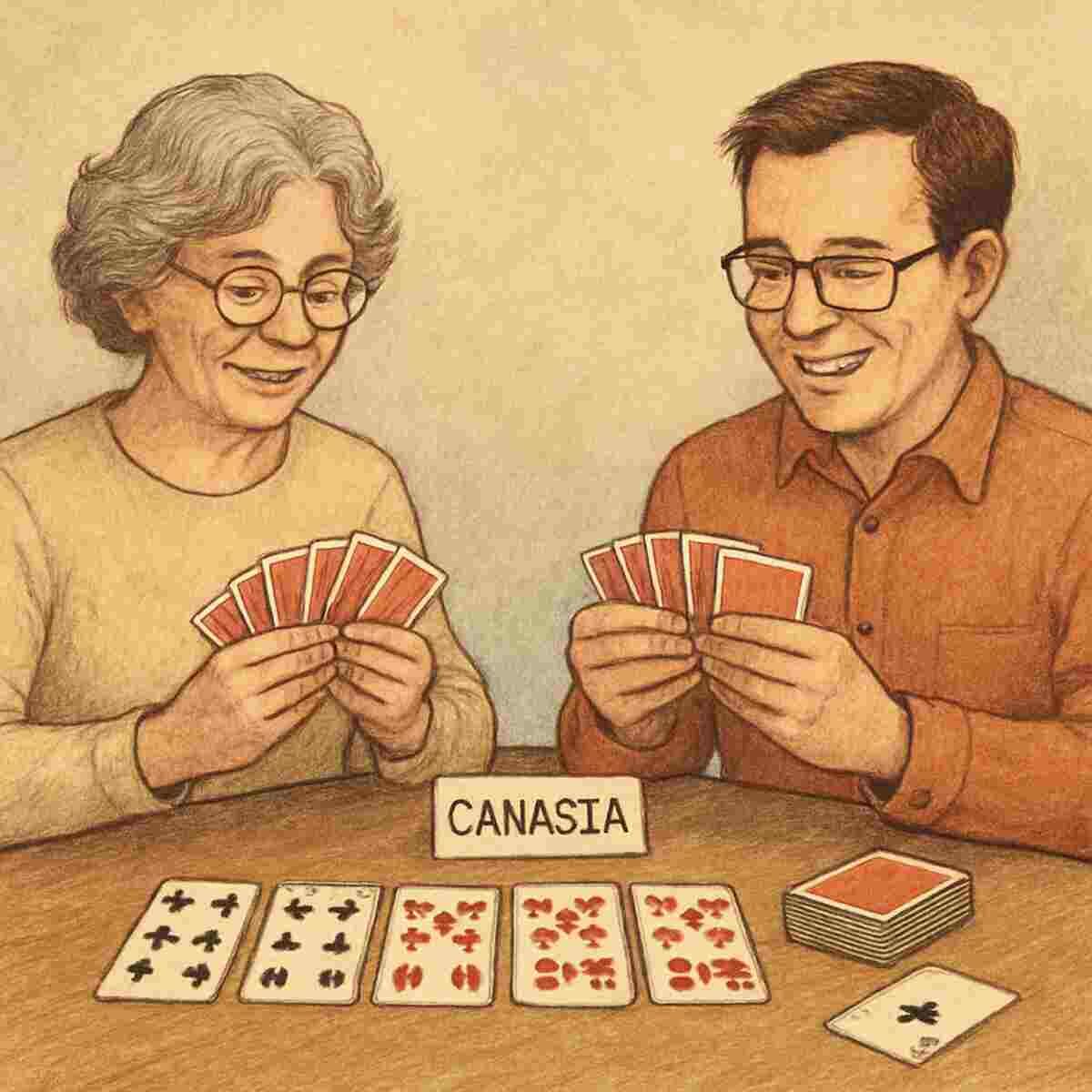
Canasta is a classic card game that combines strategy, skill, and a little bit of luck. Whether you’re a seasoned player or a complete beginner, understanding the essential rules of Canasta will help you enjoy this exciting game. Let’s dive into the basics and get you ready to play! Check out KAPTEN189 to know more
Canasta is a card game of the Rummy family, typically played with four players in two partnerships. The game’s objective is to form melds of seven cards of the same rank, known as “canastas,” and score more points than your opponents. The game is played with two decks of cards, including the jokers.
Canasta originated in Uruguay in the 1940s and quickly spread across Latin America. Its popularity soared in the United States in the 1950s, becoming a staple in social gatherings. The game’s blend of strategy and luck made it appealing to a wide audience, and its competitive nature ensured its place in the world of classic card games.
There are several variations of Canasta, each with its unique rules and nuances. Some popular versions include the American Canasta, Classic Canasta, and Samba Canasta. Each variation offers a different experience, so exploring them can add variety to your gaming sessions and challenge your strategic thinking.
Canasta is not just a game of cards; it’s a social event. The partnership aspect encourages communication and teamwork, making it a perfect game for gatherings. The friendly competition and camaraderie it fosters make it a beloved pastime for families and friends alike.
Before the fun begins, you’ll need to set up the game properly. Here’s how:
You’ll need two standard decks of cards (including jokers) and a pen and paper to keep score. Having the right supplies ensures a smooth game flow, and using special Canasta decks can add a thematic touch to your game night. Ensure your playing area is well-lit and comfortable for all players.
Divide into two teams of two players each. Partners should sit opposite each other. This seating arrangement allows for strategic planning and effective communication. Discussing roles and strategies with your partner before the game starts can set the stage for a winning strategy.
Shuffle the decks together and deal 11 cards to each player. The remaining cards form the draw pile, placed face down in the center of the table. Turn the top card of the draw pile face up to start the discard pile. A well-shuffled deck ensures fairness, and a clean deal sets the tone for an organized game.
The main goal in Canasta is to create melds, which are sets of three or more cards of the same rank. A meld of seven cards is called a “canasta” and scores bonus points. Here’s a quick look at the scoring:
Melds are the foundation of Canasta, and knowing how to build them is crucial. A natural meld consists of cards of the same rank, while a mixed meld includes wild cards. Strategically deciding when to use wild cards can make or break your game.
- Jokers: 50 points each
- Aces and 2s (wild cards): 20 points each
- 8 through King: 10 points each
- 4 through 7: 5 points each
A natural canasta (seven cards of the same rank without wild cards) scores an additional 500 points, while a mixed canasta (with wild cards) scores 300 points. Mastering scoring intricacies helps in planning your moves and maximizing your points.
Understanding the scoring system allows you to prioritize your moves. Deciding whether to aim for a natural canasta or settle for a mixed one can influence the game’s outcome. Balancing risk and reward is key to advancing your team’s score.
Drawing Cards
On your turn, draw two cards from the draw pile or take the entire discard pile if you can use the top card to form a meld. Drawing strategically can provide opportunities for creating canastas or blocking your opponents.
Forming Melds
Place melds face up on the table during your turn. You can add to your own or your partner’s melds. Collaborative melding with your partner can enhance your strategy and disrupt your opponents’ plans.
Discarding
End your turn by discarding one card onto the discard pile. Discarding wisely can hinder your opponents’ progress and set up future plays for your team. Every discard is a chance to disrupt and deceive.
Freezing the Discard Pile
The discard pile is “frozen” against a team until they make their first meld. A frozen pile can only be taken with a natural pair (two cards of the same rank) in hand. Once a team has made their initial meld, the discard pile can be taken more freely.
Strategic Freezing
Freezing the discard pile can prevent opponents from gaining valuable cards. Timing your freeze strategically can control the game’s pace and limit your opponents’ options. A well-timed freeze can shift the momentum in your favor.
Unfreezing the Pile
Once unfrozen, the discard pile becomes a goldmine for strategic plays. Knowing when to unfreeze and what to take can provide a tactical advantage. Use this opportunity to reinforce your melds and weaken your opponents.
Calculating Risks
Deciding to freeze or unfreeze the pile involves weighing risks and rewards. Understanding your opponents’ tendencies and the current game state can guide your decision-making. Effective risk management is key to mastering the discard dynamics.
Special Rules and Tips
The Initial Meld
To make your first meld, you must meet a minimum point requirement based on your team’s current score:
Calculating the Initial Meld
- Less than 1500 points: 50-point meld
- 1500 to 2999 points: 90-point meld
- 3000 or more points: 120-point meld
If your team is in the negative, a 15-point meld is required. Understanding these thresholds helps you plan your opening moves and set the groundwork for your game strategy.
Strategic Opening
The initial meld sets the stage for the rest of the game. Deciding when and how to make your first meld can dictate the pace of the game. An aggressive opening can pressure opponents, while a conservative start may allow for more flexibility.
Adapting to Score Changes
As scores fluctuate, so do the requirements for initial melds. Adaptability is crucial, and adjusting your strategy based on your score and opponents’ positions can keep you in the game.
Going Out
The game ends when a player goes out by discarding their last card or melding all their cards. Before going out, ensure your team has at least one canasta. You must also get your partner’s permission to go out.
Timing the Endgame
Deciding when to go out is a critical decision that can determine victory or defeat. Assessing your team’s position and potential canastas is vital before making this move. A well-timed exit can clinch the win for your team.
Gaining Permission
Communication with your partner is essential before going out. Discussing the state of the game and ensuring mutual agreement can prevent unwanted surprises. A unified team approach ensures a successful endgame strategy.
Preparing for Closure
Before going out, ensure all your cards are strategically placed. Avoid leaving loose ends that could cost you points. A thorough preparation phase can smooth the transition to victory.
Wild Cards and Red Threes
Wild cards (jokers and 2s) can be used to form melds, but be cautious—using too many can complicate your strategy. Red threes are special; if you draw one, place it face up on the table and draw another card. Each red three is worth 100 points, but if you have all four, they total 800 points.
Utilizing Wild Cards
Wild cards offer flexibility but can also complicate your strategy if overused. Balancing their use between melds and strategic plays is essential for maintaining control over the game. Understanding their power and limitations can enhance your decision-making.
Special Role of Red Threes
Red threes are unique and can significantly impact your score. Collecting all four offers a substantial point bonus, but each one adds to your total regardless. Knowing how to leverage red threes can provide a scoring edge.
Strategic Integration
Integrating wild cards and red threes into your strategy requires foresight and planning. Their unique roles and values can be pivotal in crucial moments. Mastering their use can elevate your gameplay and surprise your opponents.
Strategies for Success
Know When to Freeze
Freezing the discard pile can prevent your opponents from gaining valuable cards. Use this tactic wisely to control the flow of the game.
Timing the Freeze
The decision to freeze should be based on the game’s current state and your opponents’ potential moves. Recognizing patterns in your opponents’ plays can help you decide the optimal time to freeze. A timely freeze can create significant disruptions in your opponents’ strategies.
Impact on Opponents
Freezing can limit opponents’ options and force them into less favorable plays. Anticipating their next moves allows you to use freezing as a defensive maneuver. Controlling the discard pile through freezing can shift the game’s balance in your favor.
Unfreezing as a Counter
Knowing when to unfreeze the discard pile can counteract opponents’ strategies. By strategically releasing the freeze, you can take advantage of the cards available and turn the tide. This dynamic element of gameplay requires adaptability and foresight.
Balance Your Melds
While creating canastas is important, don’t neglect smaller melds. Balancing your melds can help you adapt to the changing dynamics of the game.
Prioritizing Melds
Deciding which melds to prioritize involves evaluating their potential impact on your score and strategy. Smaller melds can provide flexibility and set up future canastas. A well-rounded meld strategy can adapt to various game situations.
Adapting to the Game State
The state of the game can dictate how you approach meld formation. Adjusting your strategy based on opponents’ actions and your current position is crucial. Balancing aggression with caution can keep you competitive and responsive.
Building Towards Victory
Every meld contributes to your overall strategy and progression towards victory. Planning your melds with a long-term perspective ensures sustained success. A balanced approach maximizes your opportunities and minimizes risks.
Communicate with Your Partner
Since Canasta is a partnership game, communication with your partner is key. Share your strategy and work together to outmaneuver your opponents.
Establishing Communication
Clear and effective communication with your partner is vital for a successful game. Discussing strategies and potential plays before the game can establish a strong foundation. An open line of communication allows for seamless coordination during gameplay.
Adapting Together
As the game evolves, adapting your strategy with your partner ensures cohesive teamwork. Sharing observations and insights can lead to more informed decisions. A unified approach enhances your team’s ability to respond to challenges.
Building Trust
Trust in your partner’s decisions and abilities fosters a strong partnership. Supporting each other’s plays and respecting decisions create a positive team dynamic. Trust is the cornerstone of successful teamwork in Canasta.
Practice Makes Perfect
The best way to master Canasta is to practice. Gather your friends, shuffle those decks, and start playing! As you gain experience, you’ll develop your own strategies and techniques.
Learning Through Experience
Every game of Canasta offers new learning opportunities. Observing different strategies and outcomes helps refine your approach. Embracing mistakes as learning experiences accelerates your growth as a player.
Refining Techniques
Practicing regularly allows you to refine your techniques and strategies. Experimenting with different approaches can reveal new tactics and solutions. Consistent practice builds confidence and enhances your skills.
Building a Community
Playing Canasta regularly fosters a sense of community among players. Engaging with others who share your passion for the game creates lasting friendships. The social aspect of Canasta enhances the overall enjoyment and enriches your experience.
Wrapping Up
Canasta is a delightful blend of strategy, luck, and social interaction. By understanding the essential rules and practicing regularly, you’ll become a skilled player ready to take on any challenge. Whether you’re playing for fun or aiming to become a Canasta champion, the game offers endless enjoyment. So grab a deck of cards, invite some friends, and let the Canasta adventures begin!
Embracing the Challenge
Approaching Canasta with enthusiasm and an open mind enhances your experience. Every game is a chance to learn, grow, and enjoy the competition. Embracing the challenges and triumphs of Canasta enriches your journey as a player.
Celebrating Success
Celebrate your victories, no matter how small, and acknowledge your progress. Sharing successes with your team and opponents fosters a positive atmosphere. Recognizing achievements builds confidence and motivates continued improvement.
The Joy of Canasta
The joy of Canasta lies in its blend of strategy, skill, and camaraderie. Whether you’re a casual player or a competitive enthusiast, the game offers endless enjoyment. Dive into the world of Canasta, and let each game bring new excitement and memories.
Remember, the more you play, the better you’ll become. Enjoy every round, and may the best team win!